
Your Cart is Empty
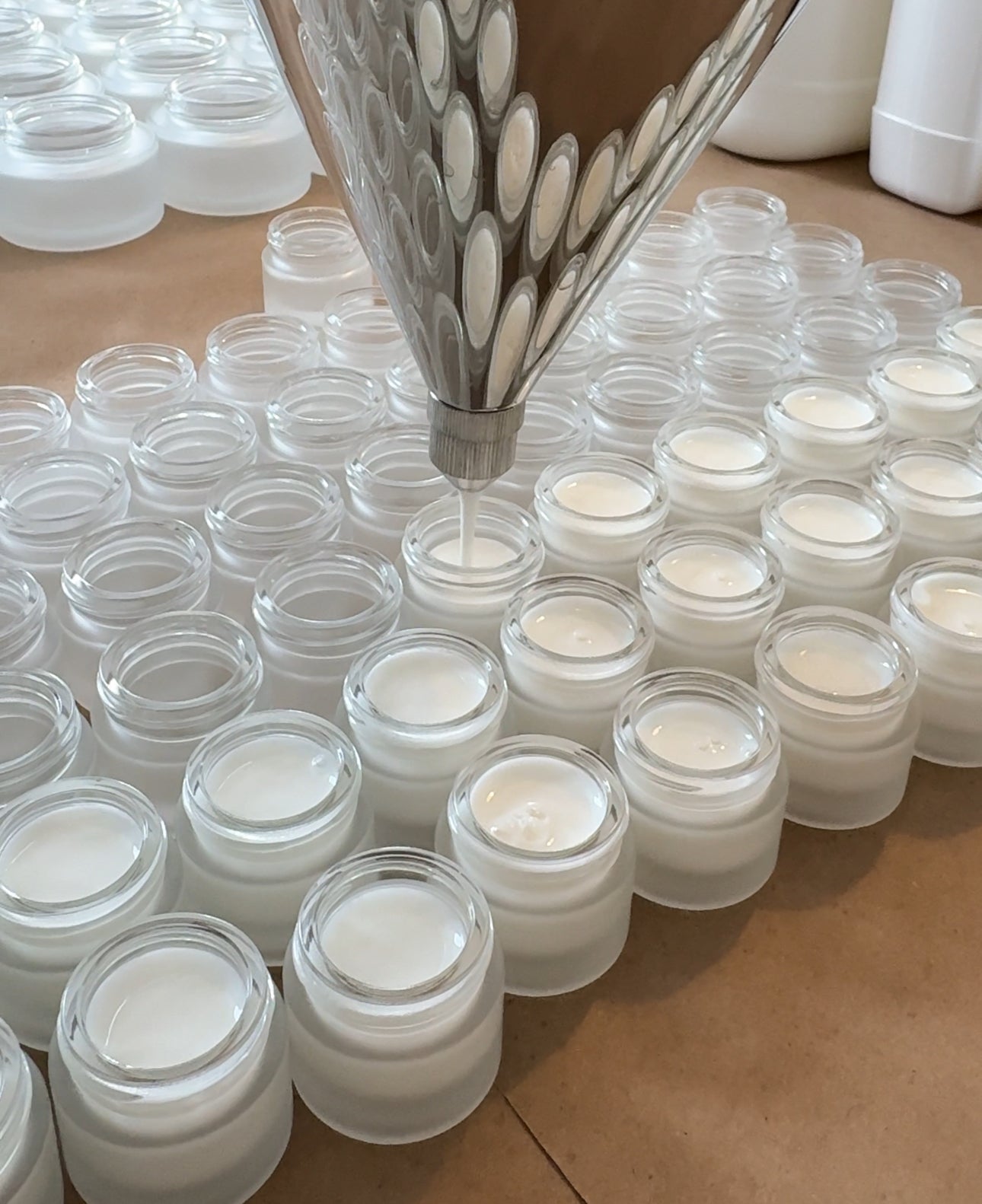
If I had a penny for every person who comes into the studio in January asking why their skin suddenly feels tight, flaky, or irritated — while still using the same moisturizer they loved all summer — I wouldn't be rich, but I could probably buy myself a good meal.
The truth no one wants to hear: Nothing is wrong with your favorite moisturizer; it's just not right for this environment.
In warmer months, many moisturizers work just fine because the air carries enough ambient humidity to support lighter formulas. These products tend to rely heavily on humectants (ingredients that attract water) and film formers (ingredients that create a lightweight, breathable layer on the skin to slow immediate water loss).
That combination can feel great in summer: fresh, comfortable, non-greasy.
This doesn't cut it in winter.
Winter is different.
When humidity drops and indoor heating rises, humectants alone don’t have much water to pull from, and film formers — while helpful — aren’t strong enough on their own to prevent ongoing moisture loss. Skin starts to feel dry not because hydration is missing, but because what’s already there is evaporating and taking your skin moisture with it.
Your Skin Actually Needs These Things In Winter
In colder months your skin needs emollients (which soften and reinforce the lipid layer) and occlusives (which slow longer-term transepidermal water loss). Without enough of these, moisture evaporates faster than it can be replenished — especially if your barrier is already stressed.
This is also why piling on more layers of a summer moisturizer rarely solves the problem. You’re repeating the same imbalance, not correcting it.
When I formulate winter creams and sleeping packs, I still use humectants and film formers — they matter. But they’re supported by richer emollients and stronger occlusive elements that stay put through the night, when skin repair and water loss are most active.